A Carp Fishing Guide to Orchid Lakes
Orchid Lakes Oxfordshire, UK intermediate
Orchid Lake
Orchid Lakes
Oxfordshire
UK
intermediate
24 min read
This guide is a strategic document for targeting carp at Orchid Lake, the main specimen water on the Orchid Lakes complex near Dorchester-on-Thames, just south of Oxford. Orchid is a mature gravel pit with decades of history as a day-ticket water and has always been known as “the home of the 30s.” That label now undersells it. Under its current owner the lake has been heavily reworked, the stock is growing quickly, and the lake record passed 50 lbs for the first time with a fish of 51 lb 8 oz. Orchid is particularly known for fishing well through the winter and early spring. This guide also draws on summer and autumn sessions, including a fishery social event. It covers pre-arrival intelligence, the lake’s character, environmental dynamics, equipment, the fishery’s own feeding programme, swim selection, and rig mechanics, alongside the other waters on the complex.
This section focuses on all information that can be gathered remotely before setting foot on the bank.
Contact Information: Up-to-date contact details, booking information, prices, and the current rulebook are on the official Orchid Lakes website and social media pages. The fishery is run by its owner, David, with fishery manager and head bailiff Kev on the bank day to day.
Arrival & Access: Key points noted from anglers’ accounts:
Rules & Regulations: Always check the current rules before your trip. Points noted from angler accounts:
Socials: The fishery runs angler socials on Orchid Lake. The group walks the lake, then draws numbered balls for the order of swim choice. Anglers are taken to their swims by buggy and get an hour or more to lead around and use bait boats before a starting time of around 11am. They are a good way to fish the lake for the first time with plenty of local advice on hand.
Stock Profile: Orchid Lake holds a modest head of carp rather than a huge stock. Angler intelligence puts the total at around 200 carp. This includes a core of old, dark, heavily scaled thirties, which are the fish most anglers come to catch, and a recent stocking of around 75 fish from VS Fisheries to secure the lake’s future. There are also plenty of twenties and stockies in the mix.
The Forties: The number of forties has climbed quickly. On an earlier autumn session, the bailiff put the stock at around 80 thirties and 6 forties. About a year before the owner’s most recent update, anglers reported around eight fish over 40 lbs, the biggest at 48 lbs. By the time of that update the owner reported 22 recorded forties. A 46-pounder was among the fish caught off the bottom in March.
Growth Rates: The owner credits the growth to three things: removing overgrown and rotten trees, rebuilding the swims, and a sustained feeding programme. The growth is not confined to the stockies:
Named Residents & Records:
The Typical Stamp: A summer social gives a fair picture of what to expect. The first morning produced 16 or 17 fish between 16 and 28 lbs, a mix of old warriors and fast-growing stockies, including fully scaled fish and zip linears. Fish of 30 lbs, 32 lb 2 oz and 34 lbs followed as the event went on. The anglers noted how healthy the fish looked, all well spawned out.
The Name: Despite the forties, the fishery is keeping “the home of the 30s” out of respect for the late Marsh Pratley, who created the lake.
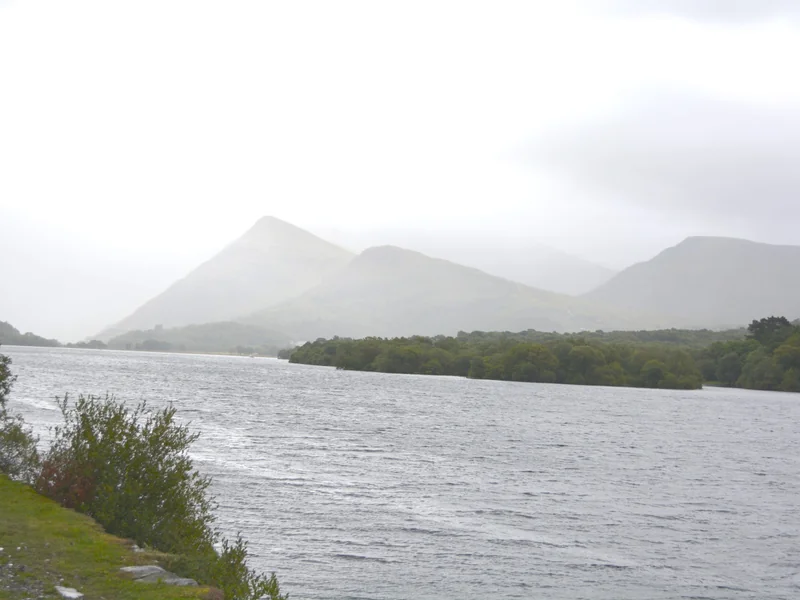
Lake Character: Orchid is a classic, mature Thames Valley gravel pit with islands, bays, and plenty of features. It is relatively shallow. Anglers report around 8 ft in the open water in early spring, with shallower bays and island margins.
Key Features:
Lake Layout: Two sections that were previously part of the main lake, Willow Pool and the Old Nursery, have been netted and sectioned off. The main lake is therefore slightly smaller than older maps show, with the same number of fish. See Section 6.3.
This section concerns the interpretation of conditions on the bank.
Wind & the Tree Work: The owner has cut back almost every low-lying bush and removed broken or leaning trees around the lake. The result, in his words, is that “whichever angle the wind comes from, the lake’s got a ripple on it.” That puts more oxygen into the water and keeps fish feeding. Wind is still worth following, but you are less likely to find large dead, sheltered areas than in the past.
Cold Snaps: Orchid has a strong winter reputation, but sharp frosts still slow it down. One March session saw a night of minus 3°C pass without a bleep. When temperatures rose towards 17°C later in the week, fish started showing across the open water.
Rain, Cloud & Wind: On an autumn session, a fresh wind blowing into a bay was expected to push fish in with it, and the bailiff confirmed that it does. During a heavy afternoon downpour, seven or eight fish, several of them big, were seen dropping down onto a baited spot. Shows built steadily into the evening, with eight in an hour and a half. On a summer social, a hot day cooling into the evening brought fish showing across the lake.
Calm, Sunny Days: Flat calm, bright days in late winter and spring are classic zig conditions at Orchid. If fish are showing but your bottom baits stay silent, assume the fish are up in the water.
Sun Traps: The island bays on the sheltered side of the lake catch the sun and are often off the wind. In January and other cold months, large numbers of fish have been seen holding in these areas.
Aquatic Vegetation: By March the open water carries a lot of fresh, low-lying weed, mainly Canadian pondweed and the green “candyfloss” silkweed. It is not thick, but finding a clean drop can take several casts. This affects your lead arrangement (see Section 6.1). By summer the weed is much heavier. Hooked fish bury themselves in it repeatedly, and several anglers describe fishing solid bags in “severe weed” (see Section 6.2).
Fish Showing: Watch the water constantly. Fish crashing and fizzing in open water, and the direction shoals are travelling, are the most valuable information you will get. Fish often move between areas along consistent routes. First light is prime time to watch. As the mist rolls off the water, fizzing is often the first sign of fish moving back into a bay. On overcast days even polarised glasses struggle to see into the water, so rely on shows and fizzing instead.
Nuisance Wildlife: Swans are a real problem in the margins. On one session a pair moved into a corner holding around 25 carp, “absolutely smashed the swim to bits,” and pushed every fish out. The carp drifted back in once the swans had gone. Coots and other birds are also present.
This section details the specific tackle required to effectively fish the venue.
Casting Demands: Orchid is not a distance water. Most of the fishing is at short to medium range: island margins, bay features, open-water plateaus, and the edges. Standard 12 ft rods of 3 lb to 3.5 lb test curve are ideal.
Mainline Choice: Because leaders are banned, the mainline doubles as your leader. Successful anglers use 15 lb monofilament fished straight through to the rig.
Line Clips: Clip all three rods at the same range when fishing a known feature. That way you can recast accurately to the back edge of a gravel spot.
Leading Rod: A rod with braided line and a bare lead is still the best way to feel the bottom. Even anglers with an echo-sounding bait boat prefer to lead around first, finding where the gravel starts and stops left and right and where the softer back edge begins.
Bait Boat: A genuine asset on Orchid, where rules allow it. It lets you:
Drone & Polarised Glasses: Where permitted, drone footage has shown just how many fish hold in the margins and corners. Polarised glasses are the low-tech equivalent for spotting fish in the edge.
This is the core of the angling approach.
Single Pop-Ups Over a Small Handful of Bait: The winter banker. A bright pop-up on a spinner rig, dropped on the back edge of a gravel feature with just a small handful of bait, “just enough for a bite.” It suits the cold-water fish and the island bays where they hold.
Zigs (February to April): Zig fishing comes into its own at the back end of winter and the early part of spring. Through February, March, and April the fish are awake and moving round the lake, but they are more often up in the layers than on the bottom. Key points from angler accounts:
The Day/Night Switch: A practical hybrid used on the lake. Fish zigs through the day when the fish are up. At dusk, wind in, clip on a bottom-bait rig, and send it out on the same spot with the bait boat and a handful of bait. Wind in at around 8 to 9am and put the zigs back on. With a lead-clip setup the change takes minutes.
Bigger Hits of Bait: Even in March, some anglers are catching over large beds of bait. One angler on the opposite bank caught several fish over successive weeks from the same swim, all over big hits. That reflects the fishery’s feeding programme (see Section 4.3). The fish recognise the in-house bait as a reliable food source.
Bait Boat & Solid Bags (Summer): The method that dominated a summer social. Anglers used a bait boat to put out about a kilo of mainly boilie crumb over each rod, then fished solid bags with small wafters on top. One angler had three bites in a morning this way, two on bags with small brown wafters and one on a multi rig with a krill wafter. Others caught on solid bags fished on the edge of a big open clear spot in Drum, and on a solid bag of pellet and mix cast 7.5 wraps out towards the island from L-Shape with the house particle over the top. One swim produced a fish within five minutes of the start on a small solid bag.
Spread of Boilies: Some fish come to a more traditional approach. An 18 lb 2 oz common was caught over a spread of boilies with a matching pop-up.
Margin Stalking: When fish are holding tight in corners and under willows, quiet margin work can be devastating. One proven approach is to bait a hard, mussel-shell spot in the edge with a few bait-boat drops of very fine crumbed boilie and dust, then lower a rig with a small PVA bag on top.
Keep It Tight in the Cold: In winter and early spring, a small handful of bait around each hookbait is enough. The aim is a bite, not a feeding session.
Fine Baits in the Edge: When baiting for big margin fish, keep the bait “nitty-gritty fine.” Crumb and dust make a carpet that encourages fish to drop down and graze, and a rig presents easily on top of it.
Check the Bottom Before Committing Bait: If a quick single or bag on a fizzing spot does not produce, wind it in slowly and feel the bottom. If it is clean and the hookbait comes back untouched, it is worth fishing a single there. Hold back on committing a bed of bait until you know what you are fishing over.
Keep Line Pressure Down: When fish are moving freely into a bay or along a margin, consider fishing fewer rods, and keep lines out of the area the fish are coming through. On one autumn session an angler fished only two rods for most of the day rather than cut lines across the bay to the far trees. He added a third rod on fizzing fish at dusk, casting a few wraps beyond them so he would not spook them.
Don’t Be Afraid to Recast: A single PVA bag cast underarm towards lilies, close to fish, produced a take within ten minutes without spooking them. If you have just had a bite from a spot, get the same rig and bag straight back on it.
Follow the Feeding Programme: The fishery feeds its own particle and pellet mix steadily through the winter and steps it up again as the water warms. Bailiffs confirm that “a hell of a lot of pellet goes in.” Matching what the fish already associate with safe food is a significant edge.
The Orchid Particle: The fishery prepares its own particle mix, freshly cooked on site and sold at a reasonable price, quoted at £20 for 5 kg at the time of the owner’s interview. It is fed mixed with pellet, and the owner reports that a lot of fish are caught on it. Buying it on arrival is the simplest way to match the feeding programme.
Pellet: A core part of the fishery’s own feeding. Pellet in the mix, or in PVA bags, keeps you in line with what the carp are eating.
Boilie Crumb & Dust: Ideal for margin “dinner plates” and PVA bags where you want attraction without a lot of food. In summer, about a kilo of crumb per rod from a bait boat has been the backbone of multi-fish sessions.
Liquids: Injecting solid bags with a liquid attractant draws fish down onto the bag, even when it has landed in weed.
Hookbaits:
This section analyses the impact of other anglers and how to use it to your advantage.
Pressure: Orchid can be quiet outside the busy months, with only three or four anglers on in mid-March. In the past, when the lake was busy and blanking, the fish would retreat into Willow Pool and the Old Nursery, where nobody could fish for them. Those areas are now netted off, so the fish stay in the main lake, which raises the effective stock density. On the main lake the fish still drift towards areas without anglers. On a summer social, fish were holding in parts of the lake that had no pressure until the late arrivals were put into those swims.
The Bailiff’s Advice: The fishery wants you to catch and will tell you where it has been feeding and where fish have been seen. Use that as your starting point, not a fixed plan.
Trust Your Eyes: Weigh every piece of information you get, including tips from anglers packing up, against what you see. One March session began in a recommended swim behind an island. The angler felt restricted, saw fish showing twice in open water further down the bank, and moved within a few hours. There were three nights ahead, which left the option of going back. A good starting swim is still only a starting point.
Watch Before You Act: When you find fish in front of you, resist the urge to cast immediately. Sitting back and watching what they are doing, and where exactly they are holding, is time well spent.
Swim names change over time, so confirm the current layout with the bailiff. The following summarises intelligence gathered on key areas:
| Swim / Area | Key Characteristics & Notes | Prime Conditions |
|---|---|---|
| Island Bay swims | Sheltered, often overlooked swims fishing behind an island into a bay. A known gravel feature produces a lot of bites, with silt short of the island. A sun trap, usually off the wind. Did a lot of fish shortly before a March session. Restricted view of the open water. | Winter and cold snaps, bright days, when fish are holding up. |
| The Alamo | Held a lot of fish in January when filmed on an underwater session. Fish both sides of the swim. On a summer social one angler had at least six fish from here, including a 30-plus, and other anglers caught from both the left and right sides. | All year. Winter, and a summer banker. |
| L-Shape | Fishes towards an island at around 7.5 wraps. Produced a 22 lb dark mirror on a solid bag of pellet and mix with house particle over the top. | Summer. |
| Drum | A big, open clear spot that solid bags fish well on the edge of. Weedy, so tench and carp can weed you. | Summer. |
| Middles | Produced Delila at 34 lbs on a summer social morning. Not confirmed to be the same swim as New Middles. | Summer mornings. |
| Dead Dog | Produced a fish on a hinged stiff rig during the summer social. | Summer. |
| Open-Water Swims | Command the main body of water at around 8 ft, with plateaus and low weed. The place to be when fish are showing in the middle. Weedy in spring, so a helicopter rig or zigs are needed. | Late winter and spring, calm sunny days for zigs. |
| New Middles | Opposite-bank swim that produced several fish over big hits of bait in March. | Early spring, as the feeding programme ramps up. |
| Willow Corner Margins | Corner swim where around 25 fish, including the 40-plus No Name, were filmed holding under a willow. A hard mussel-shell spot sits in the margin, with lilies to the right where fish fizz. A bag fished against the lilies produced a take, which was lost. Fish also show tight under the willow. Vulnerable to swans. A fresh wind pushes fish into the bay. | When fish are seen holding in the edge. Stealth essential. |
Go-To Presentations:
Lead System:
Finding a Drop: Do not settle for the first cast. Over spring weed it can take a lot of casts to find an area where you get “pretty consistent good drops.” It is worth the effort. A soft drop on one rod is acceptable with a buoyant pop-up, but aim for a crisp one.
Winter Form: The owner describes the lake as having “an amazing winter form,” and the autumn into winter is when he says “the real fishing starts.” The fishery restocks each November.
Bite Windows: These change with the season:
Weed & Playing Fish: In summer, fish will bury into the weed time and again. Be prepared to bully them up and over it, and do not hesitate to call for the boat. The staff will free a weeded fish, usually within a few minutes.
Swans: If swans move into a margin swim holding fish, there is little you can do but wait. Fish have been seen returning in ones and twos soon after, and that is the moment to get the bait out.
Not a Runs Water: The owner is clear that the main lake “is not easy and it’s not a runs water.” Plan for a session where one or two bites is a good result.
Orchid Lake is one of the classic names of UK day-ticket carp fishing, and it is changing quickly. The old, dark thirties that made its reputation are still there, now joined by more than twenty forties and a lake record over 51 lbs, all growing on a deliberate programme of tree work, swim rebuilding, and steady feeding. Success here is not about distance. It is about reading the season. In winter, find the sheltered sun-trap bays and fish bright single pop-ups on the back edge of the gravel with just a handful of bait. In late winter and spring, watch the open water and be ready to put zigs out the moment fish show over the weed. In summer, use the bait boat to put out a bed of crumb, fish solid bags through the weed, and be on the rods from first light. All year, take the buggy ride, listen to what the bailiff tells you, and then trust your own eyes. Orchid is not a runs water, and cold nights can be silent, but for the angler who stays mobile and adapts to what the fish are showing them, it offers a genuine chance of one of the country’s most sought-after day-ticket carp.